








 Personal Loan
 Check Eligibility
 Salaried Personal Loan
 EMI Calculator
 Account Aggregator
 Credit Pulse Report
 Deals starting @99
 Min. 50% off
 Bajaj Pay
 Wallet to Bank
 Refer & Earn
 Mobile Recharge
 Buy FASTag
 Bill Payments & Other Recharges
 Wallet
 Easy EMI Loan
 Savings Offer
 Smartphones
 Led TVs
 Washing Machines
 Laptops
 Refrigerators
 Air Conditioner
 Air Coolers
 Personal Loan
 Gold Loan
 Business Loan
 Loan for Doctors
 Home Loan
 Secured Business Loan
 Loan Against Property
 Loan Against Shares
 Loan for Chartered Accountants
 Medical Equipment Finance
 Loan Against Property Balance Transfer
 Home Loan Balance Transfer
 Loan Against Mutual Funds
 Loan Against Insurance Policy
 ESOP Financing
 Easy EMI Loan
 Buy a Used Car
 New Tractor Loan
 Two-wheeler Loan
 Loan Against Car
 Car Loan Balance Transfer and Top-up
 New Car Loan
 Loan for Lawyer
 Secured Business Loan Balance Transfer
 Industrial Equipment Finance
 Industrial Equipment Balance Transfer
 Industrial Equipment Refinance
 Used Car Loan
 Personal Loan Branch Locator
 Used Tractor Loan
 Loan Against Tractor
 Tractor Loan Balance Transfer
 Flexi
Flexi View All
 Two-wheeler Loan
 Bike
Bike Commuter Bike
 Sports Bike
 Tourer Bike
 Cruiser Bike
 Adventure Bike
 Scooter
 Electric Vehicle
 Best Sellers
 Popular Brands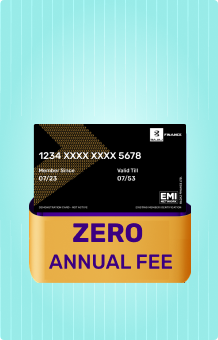
 Insta EMI Card
 Trading Account
 Open Demat Account
 Margin Trading Financing
 Share Market
 Invest in IPO
 All stocks
 Top gainers
 Top losers
 52 week high
 52 week low
 Loan against shares
 Home Loan
 Transfer your existing Home loan
 Loan against Property
 Home Loan for Salaried
 Home loan for self employed
 Loan Against Property Balance Transfer
 Home Loan EMI Calculator
 Home Loan eligibility calculator
 Home Loan balance transfer
 View All
 Health Insurance
 Term Life Insurance
 ULIP Plan
 Savings Plan
 Family Insurance
 Senior Citizen Health Insurance
 Critical Illness Insurance
 Child Health Insurance
 Pregnancy and Maternity Health Insurance
 Individual Health Insurance
 Low Income Health Insurance
 Student Health Insurance
 Group Health Insurance
 Retirement Plans
 Child Plans
 Investment Plans
 Wallet Care
 Wallet care entertainment+
 Personal Accident Care
 EMI/SIP Cover
 Health Prime Max
 Fonesafe Lite
 Mobile Protect
 Wallet Protekt
 Dengue Cover
 Niva Bupa Health Plus
 Health Plus Hospital Cash
 Four Wheeler Insurance
 Business Loan
 Secured Business Loan
 Loan against property
 Loans against property balance transfer
 Loan against shares
 Home Loan
 Loans against mutual funds
 Loan against bonds
 Loan against insurance policy
 Apply for Gold Loan
 Transfer your Gold Loan with Us
 Gold Loan Branch Locator
 Fixed Deposit
 Renew Fixed Deposit
 ULIP Plan
 Savings Plan
 Retirement Plans
 Child Plans
 Free Demat Account
 Invest in Stocks
 Invest in IPO
 Margin Trading Facility
 Equity Mutual Funds
 Debt Mutual Funds
 Hybrid Mutual Funds
 New Fund Offers
 Open Mutual Fund Account
 Fixed Deposit Branch Locator
 Check your Credit Score
 New Car Loan
 Used Car Loan
 Loan Against Car
 Car Loan Balance Transfer and Top-up
 My Garage
 Get Bajaj Prime
 Mobiles on EMI
 Electronics on EMI Offer
  Iphone on EMI
 LED TV on EMI
 Refrigerator on EMI
 Laptop on EMI
 Kitchen appliances on EMI
 Washing machines
 Personal Loan EMI Calculator
 Personal Loan Eligibility Calculator
 Home Loan EMI Calculator
 Home Loan Eligibility Calculator
 Good & Service Tax (GST) Calculator
 Flexi Day Wise Interest Calculator
 Flexi Transaction Calculator
 Secured Business Loan Eligibility Calculator
 Fixed Deposits Interest Calculator
 Two wheeler Loan EMI Calculator
 New Car Loan EMI Calculator
 Used Car Loan EMI Calculator
 All Calculator
 Used Tractor Loan EMI Calculator
 Hot Deals
 Clearance Sale
 Kitchen Appliances
 Tyres
Tyres Camera & Accessories
 Mattresses
 Furniture
 Watches
 Music & Audio
 Cycles
 Mixer & Grinder
 Luggage & Travel
 Fitness Equipment
 Fans
Fans
 Personal Loan for Doctors
 Business loan for Doctors
 Home Loan
 Secured Business Loan
 Loan against property
 Secured Business Loan Balance Transfer
 Loan against share
 Gold Loan
 Medical Equipment Finance
 Smart Hub
 ITR Service
 Digi Sarkar
 Savings Offer
 Easy EMI
 Offer World
 1 EMI OFF
 New Launches
 Zero Down Payment
 Clearance Sale
 Bajaj Mall Sale
 Mobiles under ₹20,000
 Mobiles under ₹25,000
 Mobiles under ₹30,000
 Mobiles under ₹35,000
 Mobiles under ₹40,000
 Mobiles under ₹50,000
 Articles
 Overdue Payments
 Other Payments
 Document Center
 Bank details & Documents
 Tax Invoice Certificate
 Do Not Call Service
 Hamara Mall Orders
 Explore Bajaj Prime
 Explore Rewards
 Buy Deals & Gift cards
 Fixed Deposit (IFA) Partner
 Loan (DSA) Partner
 Debt Management Partner
 EMI Network Partner
 Became a Merchant
 Partner Sign-in
 Trade directly with your Demat A/c
 ITR
ITR My Garage
 Video Wall
 Live Videos - Beta
 Savings Offer
 Smartphones
 LED TVs
 Washing Machines
 Laptops
 Refrigerators
 Air Conditioners
 Air Coolers
 Water Purifiers
 Tablets
 Kitchen Appliances
 Mattresses
 Furniture
 Music and Audio
 Cameras & Accessories
 Cycle
Cycle Watches
 Tyres
Tyres Luggage & Travel
 Fitness Equipment
 Tractor
 Easy EMI Loan
 vivo Mobiles
 OPPO Mobiles
 Xiaomi Mobiles
 Sony LED TVs
 Samsung LED TVs
 LG LED TVs
 Haier LED TVs
 Godrej Refrigerators
 Voltas Washing Machines
 New Tractor Loan
 Used Tractor Loan
 Loan Against Tractor
 Tractor Loan Balance Transfer
 New Car Loan
 New Cars Under ₹10 Lakh
 New Cars – ₹10–₹15 Lakh
 New Cars – ₹15–₹20 Lakh
 New Cars – ₹20–₹25 Lakh
 New Car Brands
 Petrol – New Cars
 Diesel – New Cars
 Electric – New Cars
 CNG – New Cars
 Hybrid – New Cars




Calculator

FAQs

Videos
Rs. 5,000 - Rs. 2 crore
To find the nearest gold loan branch,
Enter phone and OTP | Check amount you can get | Apply for quick funds
How the Union Budget shapes gold prices in India
Think of gold as more than just a precious metal—it is closely tied to your finances and the wider economy. In India, the annual Union Budget plays a key role in shaping gold prices, import duties, and overall market trends. The government has focused on revisiting gold import policies, encouraging digital gold transactions, and strengthening the Sovereign Gold Bond Scheme. These steps aim to bring stability to the gold market, promote transparency, and build investor confidence. All of this highlights why gold continues to hold a strong and lasting place in India’s financial landscape.
Overview of the gold budget 2025
The Gold Budget 2025 focuses on strengthening market stability while supporting responsible gold consumption and investment. Key measures include a continued review of gold import duties to align domestic prices with global trends and manage trade balance pressures. The government has further encouraged digital and paper gold options to promote transparency and reduce dependence on physical gold. Enhancements to the Sovereign Gold Bond Scheme remain a priority, with improvements aimed at making long-term gold investments more appealing to households. Greater emphasis has also been placed on stricter hallmarking and compliance norms to protect consumers and improve trust in gold jewellery purchases. Overall, the Gold Budget 2025 aims to modernise the gold ecosystem, support informed investment choices, and reinforce gold’s role in India’s evolving financial landscape.
Gold demand surges after budget and implications
Following the recent budget announcement, gold demand in India has surged significantly. The reduction in import duties has made gold more accessible and affordable, leading to increased purchases, especially among retail investors and jewellers. This surge in demand is expected to drive up gold prices in the short term, reflecting the precious metal's safe-haven appeal amid economic uncertainties. Additionally, the government's initiatives to promote digital gold and enhance the Sovereign Gold Bond Scheme have further bolstered investor confidence, attracting a broader range of investors.
However, this increased demand could also strain domestic gold reserves and impact the current account deficit, necessitating careful monitoring by policymakers. The heightened demand underscores gold's continued significance in Indian households and its role as a crucial investment avenue. As the market adapts to these changes, stakeholders must navigate the implications of this demand surge to ensure sustainable growth in the gold sector.
Understanding the impact of budget announcements on gold demand
Understanding the impact of budget announcements on gold demand is crucial for investors and market participants. The annual budget often includes key measures that directly influence gold prices and demand. Changes in import duties can make gold more or less expensive, affecting consumer behaviour. For instance, a reduction in import duties typically lowers prices, leading to increased demand, while higher duties can have the opposite effect. Additionally, budgetary incentives for digital gold transactions or enhancements to the Sovereign Gold Bond Scheme can shift consumer preference towards these investment options. Regulatory changes, such as stricter hallmarking requirements, can also impact demand by ensuring the quality and authenticity of gold products. The budget's overall economic policies, including those affecting inflation and currency stability, play a significant role in shaping gold demand. By closely analysing budget announcements, investors can better anticipate market movements and make informed decisions regarding their gold investments.
Tax changes in the budget and their effect on gold buying
The budget introduces several tax changes that significantly impact gold buying in India. One of the key changes is the revision of import duties on gold, aimed at aligning domestic prices with international markets. A reduction in import duties can lower the overall cost of gold, making it more accessible to consumers and boosting demand. Conversely, an increase could raise prices, potentially dampening demand but benefiting local jewellers by reducing competition from imported gold.
Additionally, the budget emphasises stricter compliance with the Goods and Services Tax (GST) on gold transactions to ensure transparency and reduce tax evasion. This move is expected to streamline the gold trade and increase government revenue. The budget also includes incentives for digital gold transactions, promoting a shift towards more transparent and efficient trading practices.
Overall, these tax changes are designed to stabilise the gold market, enhance revenue collection, and support the broader economic goals of the government.
Investment patterns in gold post-budget
Post-budget, investment patterns in gold have shown a notable shift. The revised policies have made gold an even more attractive investment. With lower import duties, the cost of gold has decreased, encouraging more people to invest in physical gold. The enhancement of the Sovereign Gold Bond Scheme has drawn investors towards these government-backed securities due to their dual benefit of interest income and capital appreciation.
Gold loans have also seen increased demand. The favourable gold loan interest rate offered by institutions like Bajaj Finance has made borrowing against gold a viable option for many. Investors are leveraging their gold assets to secure funds at competitive rates, reflecting a strategic approach to managing their finances post-budget.
Digital gold transactions are on the rise, driven by the budget’s incentives for transparent and efficient trading practices. Overall, these patterns indicate a more diversified and strategic investment approach to gold in the post-budget landscape.
Specific impacts of the Indian budget on gold demand
The Indian budget significantly influences gold demand through various fiscal measures and policies. One of the key aspects is the adjustment of import duties on gold. A reduction in import duties typically leads to lower gold prices, making it more affordable for consumers and boosting demand. Conversely, higher import duties can increase gold prices, potentially dampening demand.
The budget also impacts the gold loan market. Any changes in regulations related to gold loans, such as adjustments to the loan-to-value ratio or alterations in tax policies, can affect the attractiveness of gold loans for borrowers. For instance, favourable tax treatments or incentives for gold loans can lead to increased demand for these financial products. The gold loan interest rate is another crucial factor influenced by the budget. Policies that affect interest rates, such as changes in the Reserve Bank of India's lending rates or government schemes that offer subsidised rates, can impact the overall demand for gold loans.
Additionally, the budget's focus on promoting digital gold transactions and enhancing the Sovereign Gold Bond Scheme can shift consumer preferences from physical gold to paper or digital gold investments. By providing attractive interest rates and flexible redemption options, these schemes can reduce the demand for physical gold while encouraging more structured and secure investment avenues. Overall, the Indian budget plays a pivotal role in shaping gold demand through its impact on prices, loan markets, and investment options.
Quick tip: As budget announcements shape gold loan regulations and interest rates, knowing your borrowing potential becomes important. Check gold loan eligibility to plan your finances with clarity.
Investment strategies for rising gold demand post-budget
Post-budget, rising gold demand presents unique investment opportunities requiring strategic approaches. Here are key strategies to consider:
- Sovereign Gold Bonds (SGBs): With enhancements in the budget, SGBs offer a dual advantage of interest income and capital appreciation. They are a secure, tax-efficient option for long-term investors looking to benefit from gold's appreciation without the challenges of storage.
- Gold Exchange-Traded Funds (ETFs): ETFs provide liquidity and ease of trading on stock exchanges. They mirror gold price movements without the need for physical storage. Ideal for investors seeking flexibility, ETFs can be bought and sold like stocks, allowing for quick response to market changes.
- Digital gold: Promoted by the budget, digital gold offers a convenient way to invest in small quantities of gold without physical handling. It allows for easy buying, selling, and transfer, making it suitable for new-age investors comfortable with online transactions.
- Physical gold: Traditional investors may still prefer physical gold in the form of jewellery, coins, or bars. Post-budget, assessing the impact of import duty changes and making purchases during price dips can optimise returns.
- Gold mining stocks: Indirect investment in gold through mining stocks can be profitable, especially if companies benefit from rising gold prices. This strategy combines gold’s safety with potential equity returns.
Combining these strategies can diversify portfolios, balance risk, and maximise returns, leveraging the benefits of the rising gold demand post-budget. Consulting a financial advisor to tailor strategies to individual goals and market conditions is advisable.
Tips for buying gold in a post-budget market
Buying gold in a post-budget market requires careful consideration to make the most of your investment. Here are some tips to help you navigate the market:
- Understand budget impacts: Review the recent budget announcements to understand changes in import duties, taxes, and regulations that may affect gold prices. This knowledge will help you predict price movements and make informed decisions.
- Check gold purity: Always ensure that the gold you buy is of high purity. Look for BIS hallmark certification, which guarantees the gold’s authenticity and purity.
- Compare prices: Shop around and compare prices from different jewellers and online platforms. The post-budget period can see price fluctuations, so taking the time to compare can save you money.
- Consider investment options: Besides physical gold, consider other investment options like Gold ETFs, Sovereign Gold Bonds, and digital gold. Each option has its benefits and can offer different levels of security and returns.
- Monitor market trends: Keep an eye on market trends and expert analyses. Post-budget periods can be volatile, and staying updated will help you make timely and profitable purchases.
- Budget for additional costs: Account for additional costs such as making charges, GST, and storage fees if buying physical gold. Understanding the total cost will ensure there are no surprises.
By following these tips, you can make informed and strategic decisions when buying gold in a post-budget market.
How does increased gold demand affect gold loans?
Increased gold demand has a direct impact on gold loans, influencing various aspects of the lending process. As gold demand rises, so does the market value of gold, which can enhance the loan-to-value (LTV) ratio offered by Bajaj Finance. Higher gold prices mean that borrowers can receive larger loan amounts for the same quantity of gold pledged, making gold loans an attractive option for those seeking immediate funds.
The rise in gold demand can also affect the interest rates on gold loans. Generally, lenders may adjust the gold loan interest rates based on market conditions and demand fluctuations. For instance, during periods of high gold demand and prices, lenders might offer competitive interest rates to attract more borrowers, ensuring they remain a preferred choice for gold loans.
Moreover, increased demand for gold loans can lead to more innovative and borrower-friendly loan products from financial institutions. Bajaj Finserv Gold Loan, for example, might introduce special offers or flexible repayment terms to cater to the growing number of borrowers.
In conclusion, the increased demand for gold positively impacts gold loans by potentially offering higher loan amounts and competitive interest rates, making them a practical and efficient financial solution for those needing quick access to funds.
Historical context of gold rates before and after previous budgets
Gold has always held a significant place in Indian culture and economy, with its value deeply influenced by government policies and annual budgets. Historically, the gold rate in India has fluctuated notably around budget announcements due to changes in import duties, taxes, and other regulatory measures.
Before the 2012 budget, for instance, the gold rate in India surged as investors anticipated an increase in import duties. When the government did raise the duty from 2% to 4%, the market saw an immediate impact with gold prices escalating further. This pattern of pre-emptive buying and subsequent price hikes has been consistent over the years.
The 2016 budget introduced the Sovereign Gold Bond Scheme, aiming to reduce the physical demand for gold and shift investment to paper gold. This move stabilised the gold rate in India by providing an alternative investment vehicle that offered interest along with price appreciation benefits.
In recent years, the 2020 budget witnessed significant volatility in the gold market. With the economic uncertainty brought by the COVID-19 pandemic, gold prices soared as investors sought a safe haven. The subsequent budget in 2021, which reduced import duties, saw a moderate decline in gold prices as market sentiment adjusted to the new regulations.
These historical shifts highlight how government budgets and economic policies directly influence the gold rate in India, making it crucial for investors to stay informed about policy changes and market trends.
The impact of duty reduction on gold prices
A reduction in customs duty on gold can significantly impact its prices, particularly in India, a major consumer of the precious metal. When the government reduces import duties, the immediate effect is a decrease in the overall cost of imported gold. This reduction in cost often translates to lower retail prices, making gold more affordable for consumers.
For instance, if the customs duty on gold is cut, jewellers and retailers benefit from the lower import costs, which they can pass on to the consumers in the form of reduced prices. This can lead to an increase in demand for gold jewellery and investment in gold bars and coins.
Additionally, reduced duties can narrow the gap between official and unofficial channels of gold import, curbing smuggling activities. Lower gold prices can also stimulate the jewellery sector, boosting sales and potentially increasing employment in the industry.
However, the extent of the price drop depends on various factors, including global gold prices, exchange rates, and market demand. Overall, a duty reduction aims to stabilize and potentially lower domestic gold prices, encouraging more legitimate imports and benefiting both consumers and the gold industry.
Immediate impact on gold rates post-2025 budget announcement
The immediate impact on gold rates after the 2025 budget announcement can be quite noticeable, especially if there are changes to customs duty or import-related policies. Any reduction in duties usually leads to a quick softening of gold prices, as lower import costs allow jewellers and retailers to adjust rates downward.
In the days following the budget, you may see a short-term dip in gold prices, which often boosts demand for jewellery and gold investments. Such measures can also help reduce unofficial gold inflows by narrowing the price difference between legal and illegal sources.
However, while the initial reaction may be a price adjustment, global gold prices, currency movements, and investor sentiment continue to influence how gold rates behave over time. Overall, the immediate effect typically points towards improved affordability for buyers.
Not your nearest branch?

Gold demand surge post-budget
Following the budget announcement, there has been a notable surge in gold demand. A reduction in customs duty has made gold more affordable, prompting increased purchases from both consumers and investors. This boost in demand is particularly evident in the jewellery sector, where lower prices have led to higher sales volumes.
Investors, seeking to capitalise on the favourable pricing, are also driving up demand for gold bars and coins. The increased interest in gold is not just limited to physical purchases; there is also a rise in investments in gold-related financial products, such as gold ETFs and sovereign gold bonds.
Moreover, the reduction in customs duty has helped narrow the price gap between official and unofficial gold markets, curbing smuggling and encouraging legitimate transactions. This surge in demand reflects the enduring value placed on gold as a secure investment and a symbol of wealth, especially during economic uncertainties.
Pro tip: Budget-driven gold price movements can influence your borrowing potential. Check your gold loan eligibility today to understand how current gold rates work in your favour.
Related Articles



Disclaimer
Bajaj Finance Limited has the sole and absolute discretion, without assigning any reason to accept or reject any application. Terms and conditions apply*.
For customer support, call Personal Loan IVR: 7757 000 000