








 Personal Loan
 Check Eligibility
 Salaried Personal Loan
 EMI Calculator
 Account Aggregator
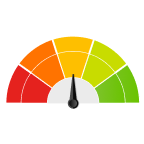 Credit Pulse Report
 Deals starting @99
 Min. 50% off
 Bajaj Pay
 Wallet to Bank
 Refer & Earn
 Mobile Recharge
 Buy FASTag
 Bill Payments & Other Recharges
 Wallet
 Easy EMI Loan
 Savings Offer
 Smartphones
 Led TVs
 Washing Machines
 Laptops
 Refrigerators
 Air Conditioner
 Air Coolers
 Personal Loan
 Gold Loan
 Business Loan
 Loan for Doctors
 Home Loan
 Secured Business Loan
 Loan Against Property
 Loan Against Shares
 Loan for Chartered Accountants
 Medical Equipment Finance
 Loan Against Property Balance Transfer
 Home Loan Balance Transfer
 Loan Against Mutual Funds
 Loan Against Insurance Policy
 ESOP Financing
 Easy EMI Loan
 Buy a Used Car
 New Tractor Loan
 Two-wheeler Loan
 Loan Against Car
 Car Loan Balance Transfer and Top-up
 New Car Loan
 Loan for Lawyer
 Secured Business Loan Balance Transfer
 Industrial Equipment Finance
 Industrial Equipment Balance Transfer
 Industrial Equipment Refinance
 Used Car Loan
 Personal Loan Branch Locator
 Used Tractor Loan
 Loan Against Tractor
 Tractor Loan Balance Transfer
 Flexi
Flexi View All
 Two-wheeler Loan
 Bike
Bike Commuter Bike
 Sports Bike
 Tourer Bike
 Cruiser Bike
 Adventure Bike
 Scooter
 Electric Vehicle
 Best Sellers
 Popular Brands
 Insta EMI Card
 Trading Account
 Open Demat Account
 Margin Trading Financing
 Share Market
 Invest in IPO
 All stocks
 Top gainers
 Top losers
 52 week high
 52 week low
 Loan against shares
 Home Loan
 Transfer your existing Home loan
 Loan against Property
 Home Loan for Salaried
 Home loan for self employed
 Loan Against Property Balance Transfer
 Home Loan EMI Calculator
 Home Loan eligibility calculator
 Home Loan balance transfer
 View All
 Health Insurance
 Term Life Insurance
 ULIP Plan
 Savings Plan
 Family Insurance
 Senior Citizen Health Insurance
 Critical Illness Insurance
 Child Health Insurance
 Pregnancy and Maternity Health Insurance
 Individual Health Insurance
 Low Income Health Insurance
 Student Health Insurance
 Group Health Insurance
 Retirement Plans
 Child Plans
 Investment Plans
 Wallet Care
 Wallet care entertainment+
 Personal Accident Care
 EMI/SIP Cover
 Health Prime Max
 Fonesafe Lite
 Mobile Protect
 Wallet Protekt
 Dengue Cover
 Niva Bupa Health Plus
 Health Plus Hospital Cash
 Four Wheeler Insurance
 Business Loan
 Secured Business Loan
 Loan against property
 Loans against property balance transfer
 Loan against shares
 Home Loan
 Loans against mutual funds
 Loan against bonds
 Loan against insurance policy
 Apply for Gold Loan
 Transfer your Gold Loan with Us
 Gold Loan Branch Locator
 Fixed Deposit
 Renew Fixed Deposit
 ULIP Plan
 Savings Plan
 Retirement Plans
 Child Plans
 Free Demat Account
 Invest in Stocks
 Invest in IPO
 Margin Trading Facility
 Equity Mutual Funds
 Debt Mutual Funds
 Hybrid Mutual Funds
 New Fund Offers
 Open Mutual Fund Account
 Fixed Deposit Branch Locator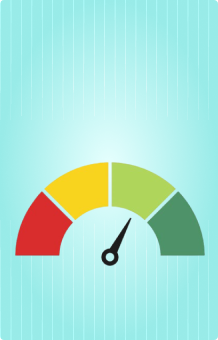
 Check your Credit Score
 New Car Loan
 Used Car Loan
 Loan Against Car
 Car Loan Balance Transfer and Top-up
 My Garage
 Get Bajaj Prime
 Mobiles on EMI
 Electronics on EMI Offer
  Iphone on EMI
 LED TV on EMI
 Refrigerator on EMI
 Laptop on EMI
 Kitchen appliances on EMI
 Washing machines
 Personal Loan EMI Calculator
 Personal Loan Eligibility Calculator
 Home Loan EMI Calculator
 Home Loan Eligibility Calculator
 Good & Service Tax (GST) Calculator
 Flexi Day Wise Interest Calculator
 Flexi Transaction Calculator
 Secured Business Loan Eligibility Calculator
 Fixed Deposits Interest Calculator
 Two wheeler Loan EMI Calculator
 New Car Loan EMI Calculator
 Used Car Loan EMI Calculator
 All Calculator
 Used Tractor Loan EMI Calculator
 Hot Deals
 Clearance Sale
 Kitchen Appliances
 Tyres
Tyres Camera & Accessories
 Mattresses
 Furniture
 Watches
 Music & Audio
 Cycles
 Mixer & Grinder
 Luggage & Travel
 Fitness Equipment
 Fans
Fans
 Personal Loan for Doctors
 Business loan for Doctors
 Home Loan
 Secured Business Loan
 Loan against property
 Secured Business Loan Balance Transfer
 Loan against share
 Gold Loan
 Medical Equipment Finance
 Smart Hub
 ITR Service
 Digi Sarkar
 Savings Offer
 Easy EMI
 Offer World
 1 EMI OFF
 New Launches
 Zero Down Payment
 Clearance Sale
 Bajaj Mall Sale
 Mobiles under ₹20,000
 Mobiles under ₹25,000
 Mobiles under ₹30,000
 Mobiles under ₹35,000
 Mobiles under ₹40,000
 Mobiles under ₹50,000
 Articles
 Overdue Payments
 Other Payments
 Document Center
 Bank details & Documents
 Tax Invoice Certificate
 Do Not Call Service
 Hamara Mall Orders
 Explore Bajaj Prime
 Explore Rewards
 Buy Deals & Gift cards
 Fixed Deposit (IFA) Partner
 Loan (DSA) Partner
 Debt Management Partner
 EMI Network Partner
 Became a Merchant
 Partner Sign-in
 Trade directly with your Demat A/c
 ITR
ITR My Garage
 Video Wall
 Live Videos - Beta
 Savings Offer
 Smartphones
 LED TVs
 Washing Machines
 Laptops
 Refrigerators
 Air Conditioners
 Air Coolers
 Water Purifiers
 Tablets
 Kitchen Appliances
 Mattresses
 Furniture
 Music and Audio
 Cameras & Accessories
 Cycle
Cycle Watches
 Tyres
Tyres Luggage & Travel
 Fitness Equipment
 Tractor
 Easy EMI Loan
 vivo Mobiles
 OPPO Mobiles
 Xiaomi Mobiles
 Sony LED TVs
 Samsung LED TVs
 LG LED TVs
 Haier LED TVs
 Godrej Refrigerators
 Voltas Washing Machines
 New Tractor Loan
 Used Tractor Loan
 Loan Against Tractor
 Tractor Loan Balance Transfer
 New Car Loan
 New Cars Under ₹10 Lakh
 New Cars – ₹10–₹15 Lakh
 New Cars – ₹15–₹20 Lakh
 New Cars – ₹20–₹25 Lakh
 New Car Brands
 Petrol – New Cars
 Diesel – New Cars
 Electric – New Cars
 CNG – New Cars
 Hybrid – New Cars




Loan Types

Calculator

FAQs

Video
Rs. 40000 - Rs. 55 lakh
You may be eligible for a pre-approved offer
Enter mobile and OTP | Check offer | No branch visit needed
In India, your CIBIL score plays a crucial role in determining your creditworthiness and eligibility for loans, credit cards, and other financial products. The score, ranging from 300 to 900, is a reflection of your credit behaviour. A score of 688 falls within the upper end of the fair range, closer to the good category. While it demonstrates relatively stable credit behaviour, there is room for improvement to unlock better financial opportunities.
✅ Check your eligibility for personal loan with phone number and OTP → Apply online in 5 minutes → Receive funds within a day*.
This article explores what a 688 CIBIL score means, its impact, and actionable ways to enhance it for more favourable credit terms.
688 CIBIL score: is it good or bad
A CIBIL score of 688 is considered fair to borderline good. It reflects a fairly dependable credit history, but it falls short of the ideal range of 750 and above. Borrowers with this score are generally considered low-to-moderate risk by lenders.
With a 688 score, you can still access loans and credit cards, though the terms might not be as favourable as those offered to individuals with higher scores. Factors such as high credit utilisation or occasional payment delays might have affected your score. By addressing these areas and maintaining consistent financial discipline, you can elevate your score into the good or excellent range, enabling you to enjoy better financial products and terms.
How to improve your 688 CIBIL score
Improving a 688 CIBIL score requires focusing on consistent financial habits and optimising your credit profile. Here are some practical steps:
- Timely bill payments: Pay all EMIs and credit card bills on time to maintain a positive repayment history.
- Optimise credit utilisation: Keep your credit usage below 30% of your total limit. For example, if your credit limit is Rs. 2,00,000, aim to use Rs. 60,000 or less.
- Review your credit report regularly: Monitor your report to identify any errors or discrepancies that might be negatively affecting your score.
- Avoid frequent credit inquiries: Multiple loan or card applications in a short period can lower your score. Apply only when necessary.
- Diversify your credit portfolio: Maintain a mix of secured loans (e.g., home loans) and unsecured loans (e.g., personal loans) to demonstrate a balanced credit profile.
Reduce outstanding debt: Prioritise clearing high-interest loans and credit card balances to lower your financial burden.
With steady effort, your score can cross the 750-mark, making you eligible for better financial products and lower interest rates.
How does a 688 CIBIL score impact interest rates
A 688 CIBIL score positions you as a relatively low-risk borrower, but it is not optimal for securing the most competitive interest rates. Here is how it may impact your borrowing terms:
- Moderately higher interest rates: Loans and credit cards may come with slightly higher rates than those offered to individuals with excellent scores. For example, personal loan rates might range from 12-16%, depending on the lender.
- Restricted credit card benefits: While you can qualify for credit cards, premium cards with attractive rewards and benefits may remain inaccessible.
- Greater approval chances: Lenders are more likely to approve your application, but they might impose stricter terms, such as lower loan amounts.
- Scope for negotiations: A score of 688 gives you some leverage to negotiate terms, especially if supported by a stable income and repayment capacity.
By improving your score further, you can access lower rates, higher credit limits, and premium financial products.
Conclusion
A 688 CIBIL score is a solid foundation for accessing credit, but it leaves room for improvement. Falling in the fair-to-borderline-good range, it reflects responsible credit behaviour but indicates some areas that need attention.
Enhancing your score by paying bills on time, reducing credit utilisation, and maintaining a balanced credit mix can unlock better financial opportunities. Regular monitoring of your credit report is also essential to ensure accuracy and address potential errors. While a 688 score allows you access to loans and credit cards, improving it can secure better terms, lower interest rates, and enhanced benefits. With disciplined efforts, you can elevate your financial standing and achieve a stronger credit profile.
Key offerings: 3 loan types
Personal loan interest rate and applicable charges
Type of fee |
Applicable charges |
Rate of interest per annum |
10% to 30% p.a. |
Processing fees |
Up to 3.93% of the loan amount (inclusive of applicable taxes). |
Flexi Facility Charge |
Term Loan – Not applicable Flexi Loans –Up To Rs 1,999 To Up To Rs 18,999/- (Inclusive Of Applicable Taxes) |
Bounce charges |
Rs. 700 to Rs. 1,200/- per bounce “Bounce charges” shall mean charges for (i) dishonor of any payment instrument; or (ii) non-payment of instalment (s) on their respective due dates due to dishonor of payment mandate or non-registration of the payment mandate or any other reason. |
Part-prepayment charges |
Full Pre-payment:
Part Pre-payment
|
Penal charge |
Delay in payment of instalment(s) shall attract Penal Charge at the rate of up to 36% per annum per instalment from the respective due date until the date of receipt of the full instalment(s) amount. |
Stamp duty (as per respective state) |
Payable as per state laws and deducted upfront from loan amount. |
Annual maintenance charges |
Term Loan: Not applicable Flexi Term (Dropline) Loan: Up to 0.295% (Inclusive of applicable taxes) of the Dropline limit (as per the repayment schedule) on the date of levy of such charges.
Up to 0.472% (Inclusive Of Applicable Taxes) Of The Dropline Limit During Initial Tenure. Up to 0.295% (Inclusive Of Applicable Taxes) Of Dropline Limit During Subsequent Tenure |
Not your nearest branch?

Related articles


Disclaimer
Bajaj Finance Limited has the sole and absolute discretion, without assigning any reason to accept or reject any application. Terms and conditions apply*.
For customer support, call Personal Loan IVR: 7757 000 000